The Chemical Sourcing Iceberg: What Buyers Do Not See
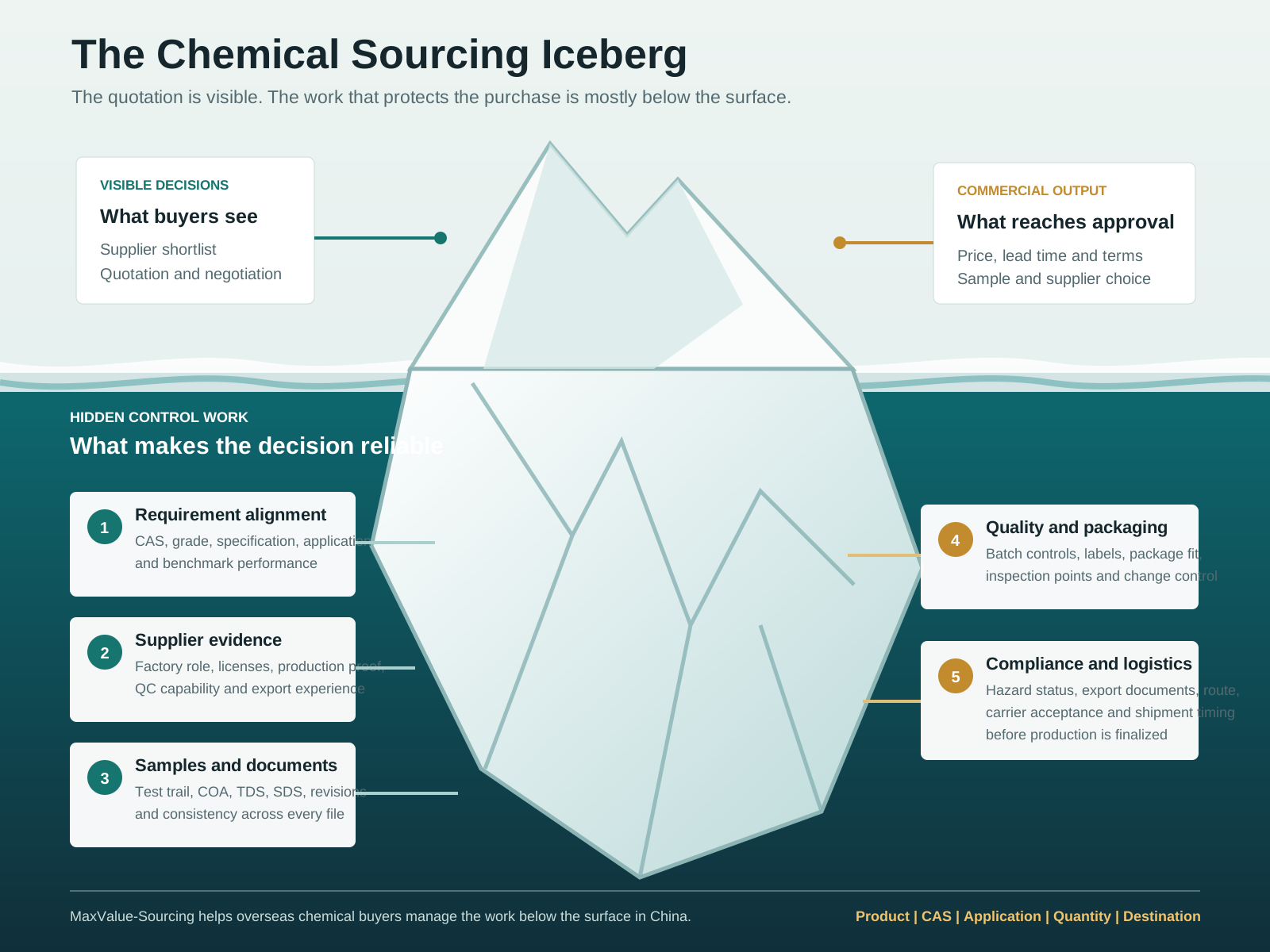
A quotation is only the visible tip. Reliable chemical procurement depends on a much larger body of work below the surface: product alignment, supplier evidence, samples, documents, quality control, packaging, compliance and logistics.
Key takeaways
- Supplier search, quotation and negotiation are only the most visible parts of procurement.
- For chemicals, small gaps in product identity, specification, documents or packaging can become expensive after shipment.
- A structured sourcing process turns scattered messages into evidence, comparison and controlled next steps.
- Local coordination in China can reduce the buyer's communication burden without removing the buyer's final technical and commercial decisions.
Buyer checklist
- Exact product name, CAS number, grade and intended application
- Target specification, benchmark material and approval test method
- Supplier identity, business scope and real manufacturing role
- Sample request, dispatch record, test result and revision history
- COA, TDS, SDS and required market or industry documents
- Packaging material, label, pallet and quantity confirmation
- Commercial terms, lead time, payment risk and change control
- Dangerous-goods status, route feasibility and destination port
Why does buying a chemical product take so long?
From the outside, procurement appears simple: find a supplier, request a price, negotiate and place an order. Those steps are real, but they are only the visible tip of the process. The work that determines whether the material is suitable, repeatable and deliverable happens mostly below the surface.
Chemical raw materials make this hidden workload especially important. Two products with similar names can differ in active content, impurity profile, solvent system, particle size, stabilization, application performance, regulatory status or transport classification. A fast quotation is therefore not the same as a reliable sourcing result.
Above the surface: search, quote and negotiate
The buyer usually sees supplier names, product brochures, quotations, lead times and payment terms. These are the most visible outputs because they fit easily into an email or comparison table.
However, even price comparison needs preparation. One supplier may quote 98 percent content in a 25 kg bag, another a diluted formulation in a 200 kg drum, and a third may exclude export packaging or dangerous-goods charges. Until grade, content, package, Incoterm, payment term and quotation validity are aligned, the prices are not truly comparable.
Below the surface: translating the real requirement
Many projects begin with a trade name, an old SDS or a short message such as preservative for water-based coating. The sourcing team must convert that request into supplier questions: intended application, target organism or function, use level, compatibility, regulatory limitations, required tests and acceptable alternatives.
For paints, coatings, inks, adhesives, industrial water treatment, biocide formulations, leather, wood, plastics and metalworking fluids, application context can be as important as the CAS number. A technically correct chemical may still fail because it does not fit the buyer's formulation, process or local compliance needs.
Supplier verification is more than finding a company name
A supplier can be a manufacturer, trader, distributor, export service company or a combination of these roles. None of these models is automatically wrong, but the buyer should know who manufactures the product, who controls quality, who issues the documents and who carries the commercial responsibility.
Useful screening may review business registration, product scope, production evidence, certificates, batch COA examples, export experience, packaging photos, technical response quality and consistency across the supplier's claims. When the evidence does not match the story, the discrepancy should be resolved before payment.
Samples create another hidden project
Requesting a sample is only the first step. The parties must confirm the exact grade, sample quantity, batch information, courier arrangement, shipping restrictions and the buyer's test plan. Test feedback then needs to be translated into a clear pass, fail or revision request.
Without a written sample trail, a successful laboratory result can become disconnected from the later commercial batch. Good practice records the sample identity, supplier, batch or reference, test result, approved specification and any agreed changes before a trial order is released.
Documents must agree with the product and with each other
COA, TDS and SDS documents serve different purposes. The COA reports batch results, the TDS describes typical properties and use, and the SDS communicates safety and transport information. Buyers may also require REACH-related statements, food-contact declarations, Halal, Kosher, ISO, biocide information or other market-specific evidence.
The hidden work is checking consistency. Product name, manufacturer, grade, composition, specification, hazard classification and packaging should not conflict across the quotation, sample, proforma invoice, label and technical documents. An attractive document pack is not useful when it belongs to another grade or an unrelated producer.
Packaging and logistics can change the commercial answer
Packaging affects product protection, handling, freight efficiency, regulatory acceptance and landed cost. The buyer may need lined bags, UN-tested drums, IBCs, pallets, moisture protection, temperature control, specific labels or destination-language information.
Dangerous-goods status should be checked before the final freight comparison. UN number, Proper Shipping Name, hazard class, packing group, marine pollutant status, flash point and package type can affect the available route and carrier. Discovering these requirements after production creates delays, repacking cost and missed sailings.
What happens when the hidden work is skipped?
The immediate saving may be a few days of communication. The later cost can include a failed sample, unsuitable grade, inconsistent batch, missing import document, leaking package, rejected booking, demurrage, customer complaint or a dispute in which the original requirement was never recorded clearly.
This is why procurement performance should not be measured only by how quickly a supplier was found. A better measure is how efficiently the process produces a decision supported by evidence, aligned specifications and a practical delivery route.
How MaxValue-Sourcing manages the work below the surface
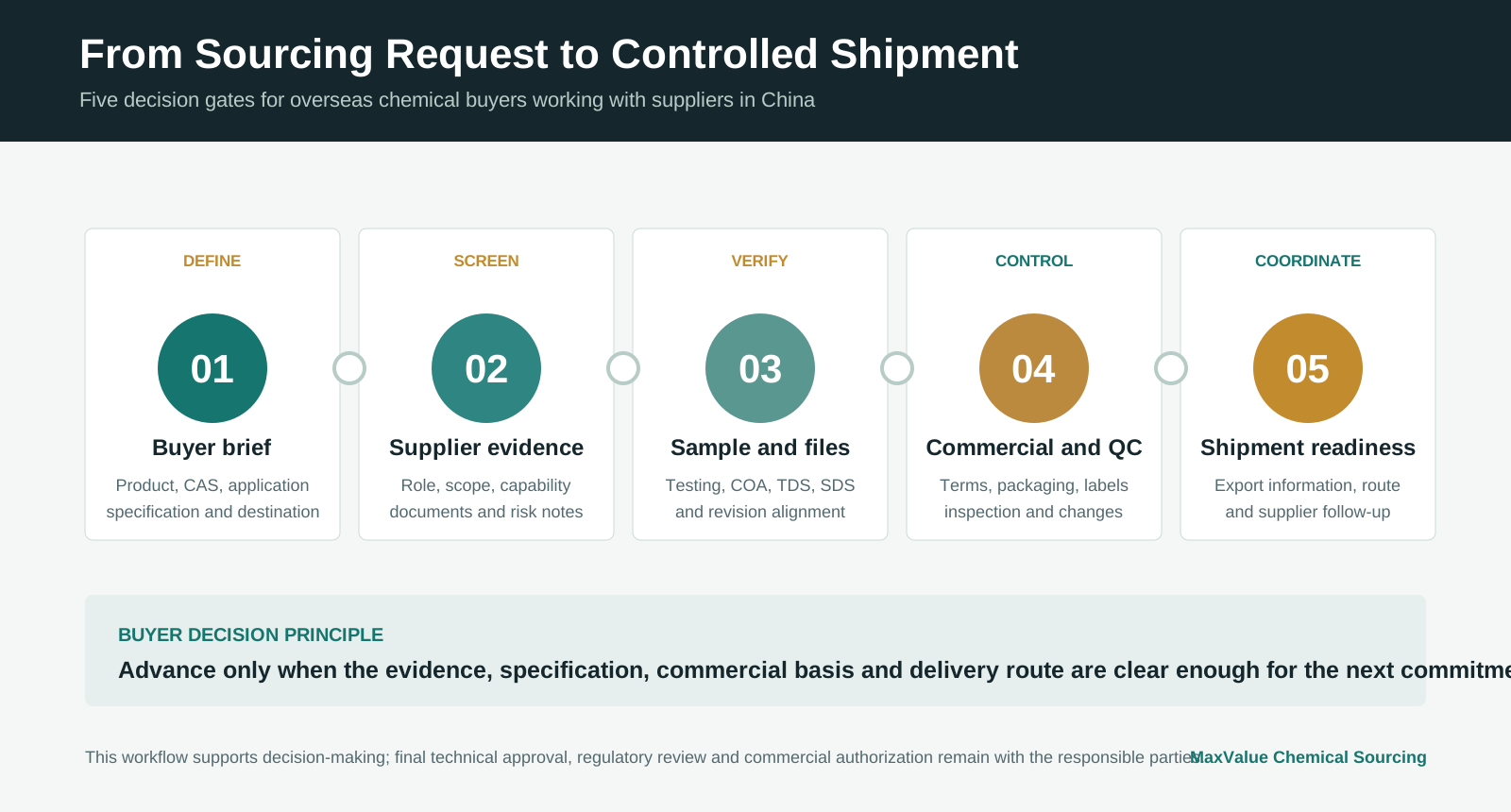
MaxValue-Sourcing acts as a China-side sourcing and coordination partner for overseas industrial buyers. We help structure the inquiry, identify candidate suppliers, clarify the supplier's role, collect supporting evidence, coordinate samples and organize quotation comparisons.
We can also follow document questions, packaging details, inspection points and shipment information with suppliers and logistics providers. The objective is not to remove the buyer from the decision. It is to give the buyer clearer information, fewer communication gaps and a documented basis for each next step.
Start with a better sourcing brief
A productive project starts with five essentials: the product or required function, application, target specification, expected quantity and destination. Add the current supplier problem, benchmark material, sample test method, required documents and packaging preference when available.
Send MaxValue-Sourcing the product name, CAS number, application, trial quantity, annual demand and destination port. We will help turn that request into a structured China sourcing project with visible actions and controlled work below the surface.
FAQ
Why can chemical sourcing take longer than expected?
The supplier search may be quick, but reliable purchasing also requires product identification, specification alignment, supplier verification, sample testing, document review, packaging confirmation, commercial negotiation and logistics planning.
Is the lowest chemical quotation usually the best option?
Not necessarily. A lower quotation may reflect a different grade, concentration, packaging, Incoterm, document package or supplier role. Quotes should be normalized before they are compared.
What information should a buyer send before supplier sourcing starts?
Send the product name, CAS number when available, application, target specification, sample requirements, quantity, packaging, destination and required documents. A benchmark product or current pain point is also valuable.
Can a sourcing agent approve a chemical on behalf of the buyer?
A sourcing agent can organize information, samples and supplier evidence, but the buyer should retain final technical approval, regulatory assessment and commercial authorization unless a separate qualified arrangement is in place.
How does MaxValue-Sourcing support overseas chemical buyers?
MaxValue-Sourcing helps define the request, screen suppliers, collect evidence, coordinate samples, compare quotations, review documents, follow packaging and inspection points, and coordinate shipment information with the relevant parties.
Sources and review basis
This article is based on MaxValue sourcing workflow experience and review of the following practical sourcing materials:
- MaxValue chemical sourcing request workflow
- Supplier quotation and document comparison process
- Sample coordination and pre-shipment review checklist
- Procurement-iceberg reference image supplied by the client
Send your product name, CAS number, target specification, volume and destination. MAX can help screen suppliers, verify factories and coordinate next steps.
Send RFQ to MAX